Process Piping: Proven Expertise
Process piping is like an industrial facility’s circulatory system, connecting equipment and transporting essential materials.
These systems are essential across many industries, including pharmaceuticals, chemicals, food and beverage, power generation, and water treatment.
Each process piping system is designed to meet a facility’s specific needs; it’s more than just a network of pipes.
What Is Industrial Process Piping?
Industrial process piping is primarily found in industrial and manufacturing facilities.
Systems are designed to transport many kinds of substances—mainly fluids and gases. These systems even play a critical role beyond manufacturing and are used in water treatment and energy plants.
Because these materials can potentially be hazardous, process piping experts must tailor each part of the system to account for pressure, temperature, flow rate, compatibility, and more.
Every design choice matters, and ASME B31.3 sets the rules for designing, fabricating, and installing process pipe systems.
Why Does Process Piping Matter?
These pipes transport materials predictably and help reduce errors and exposure to potentially hazardous substances.
Good piping design keeps people, equipment, the environment, and the product it is moving safe.
Poor process piping, by contrast, can lead to leaks or blockages that put workers at risk. These failures could also expose them to toxic chemicals, fires, and explosions. Additionally, poor process piping design can also lead to product contamination, equipment damage, or pollution.
Even small leaks, such as water leaks, can stop production and waste valuable materials.
Process piping also directly affects operating costs. Ineffective process piping can lead to product loss, reduced efficiency, and increased rework and maintenance. These problems should not occur if the system is installed correctly.
High-quality materials, skilled labor, controls, and proper installation reduce the chance of system failures, which could lead to unplanned shutdowns and unavoidable maintenance.
Who Works on Process Piping?
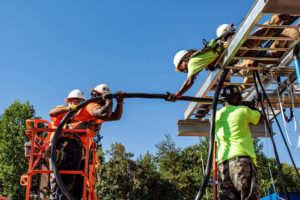
Many trades work together to design, develop, install, and test process piping systems so they run smoothly. People usually involved in process piping include:
– Mechanical Contracting Firms: Specialized construction companies who design, install, service, and maintain complex piping system projects within or for industrial facilities.
– Estimators: Review and/or design drawings and calculate manpower, material, and logistics to install, test, and commission systems to meet client needs.
– Project Managers: Manage the project from start to finish, ensuring code compliance and correct installation.
– Pipefitters: Skilled tradespeople who fabricate and/or install piping systems according to designs provided by the client or engineer.
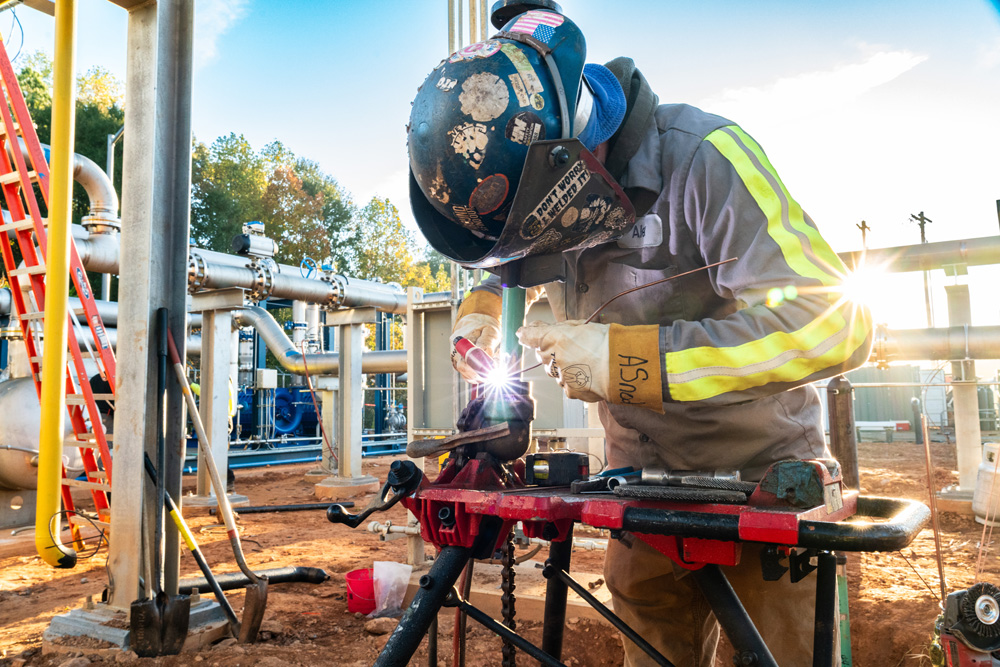
– Qualified Welders: Technicians who use methods like GMAW, SMAW, and GTAW to join stainless steel, carbon steel, or alloy pipes.
The Value of an Experienced Process Piping Contractor
Delivering a successful process piping project requires more than technical expertise; it demands thorough coordination at every stage.
No two facilities are alike, and even seemingly minor errors in material compatibility, piping layout, or installation can compromise safety and production.
An experienced contractor anticipates these challenges and proactively addresses them to maintain quality, meet specifications, and minimize operational disruptions.
At JDI Industrial Services, we take this responsibility seriously. Our team draws on years of hands-on experience, technical skill, and a strong safety culture to deliver process piping services tailored to each client’s operation.
That’s why clients trust JDI with their most critical process piping projects.
At the heart of our work is a commitment to building strong, lasting client relationships.
JDI is fully licensed in both process piping and electrical work, with a proven track record serving clients across South Carolina, Western North Carolina, North Georgia, and the broader Southeast.
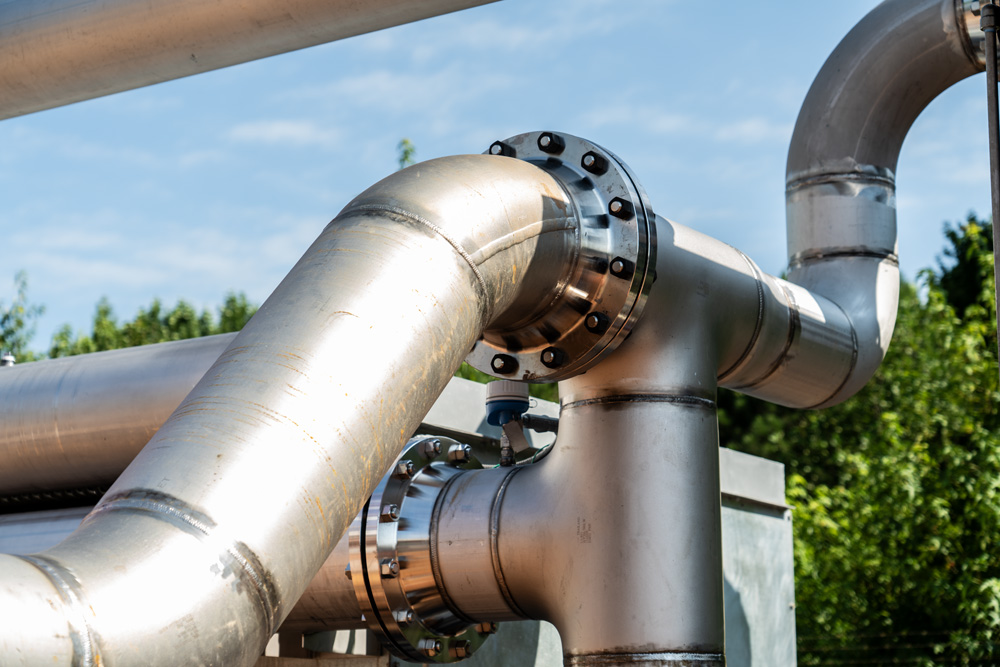
Process Piping Projects in Action
Each process piping system is unique, with challenges like choosing the right materials, controlling flow, and connecting equipment to systems.
These projects show how JDI handles complex piping jobs, always focusing on safety, reliability, efficiency, and keeping production running smoothly.
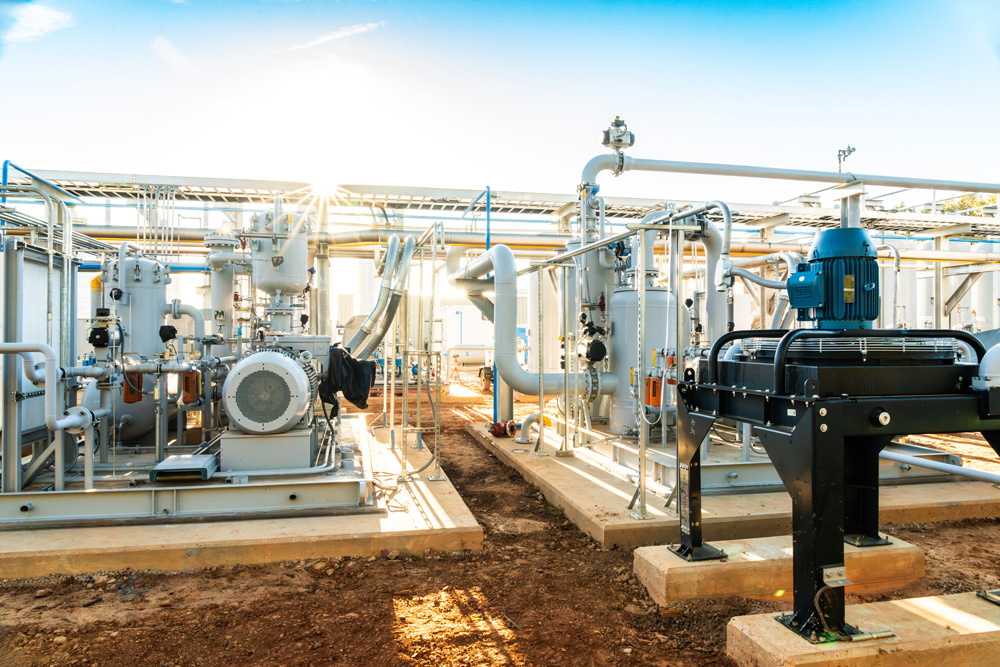
Methane-to-Natural-Gas Conversion
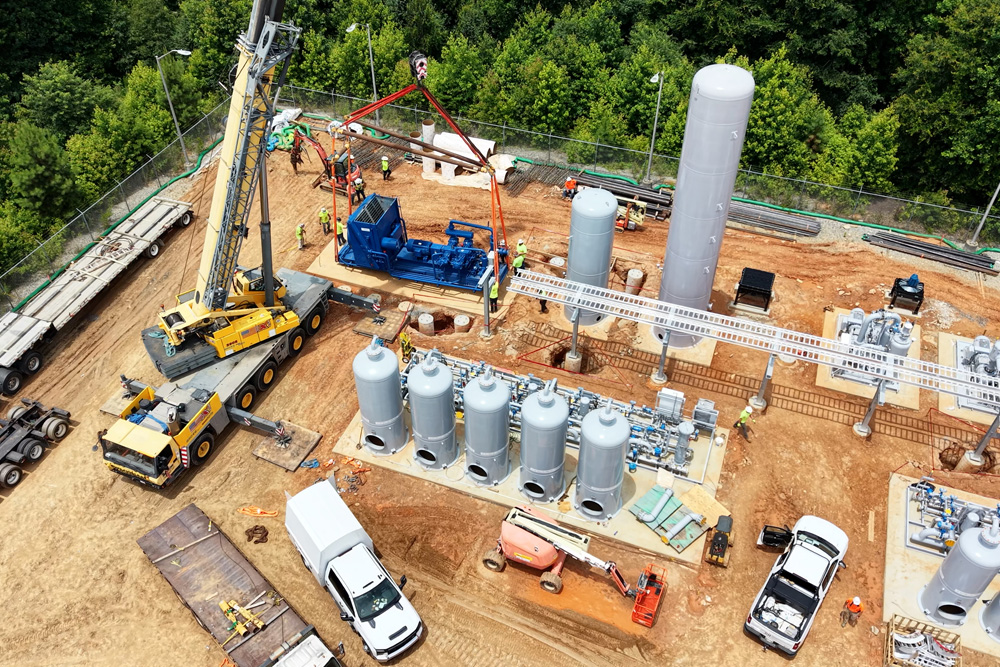
This industrial refinery employs JDI to build a methane-to-natural-gas conversion site in Upstate, SC. This involves installing a new processing system that connects to the existing methane piping.
We install stainless steel and carbon steel piping, plus HDPE process piping where appropriate.
JDI is responsible for setting up all equipment, welding all pipes using GTAW or fusion welds, and applying finish coats to all process piping. JDI also completes all electrical work, including installing transformers, Motor Control Centers, sensors, and more.
This project helps our client convert landfill methane into usable natural gas while meeting all state and federal regulations.
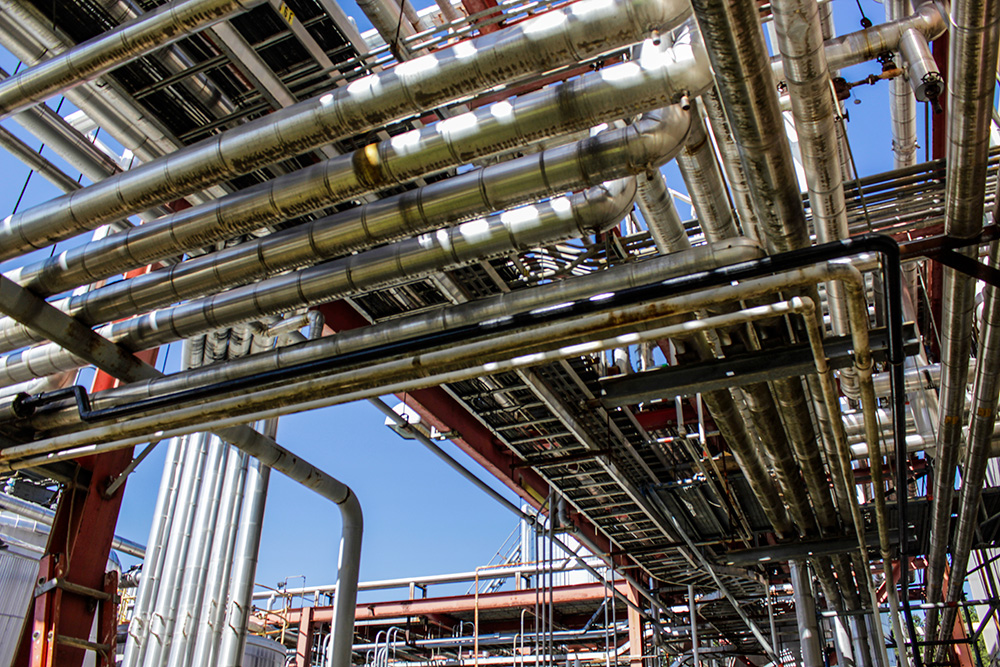
Chemical Process Piping
When a chemical manufacturing client experienced a pump failure, they turned to JDI for a fast, seamless service to keep their production on track.
We installed a high-pressure stainless steel and carbon piping system to support safe, efficient cylinder testing inside our client’s hydro-test area. Once piping is complete, we integrate new pumps with a jacketed steam-generation system to further improve operational reliability.
In addition, JDI adds new lines for four safety showers equipped with eyewash stations, helping the facility meet rigorous plant safety standards.
For a more in-depth look at this project, read here.
This project fully restored our client’s production back to normal. Our relationship has grown over the years; JDI has become the client’s trusted partner for piping and machinery projects.
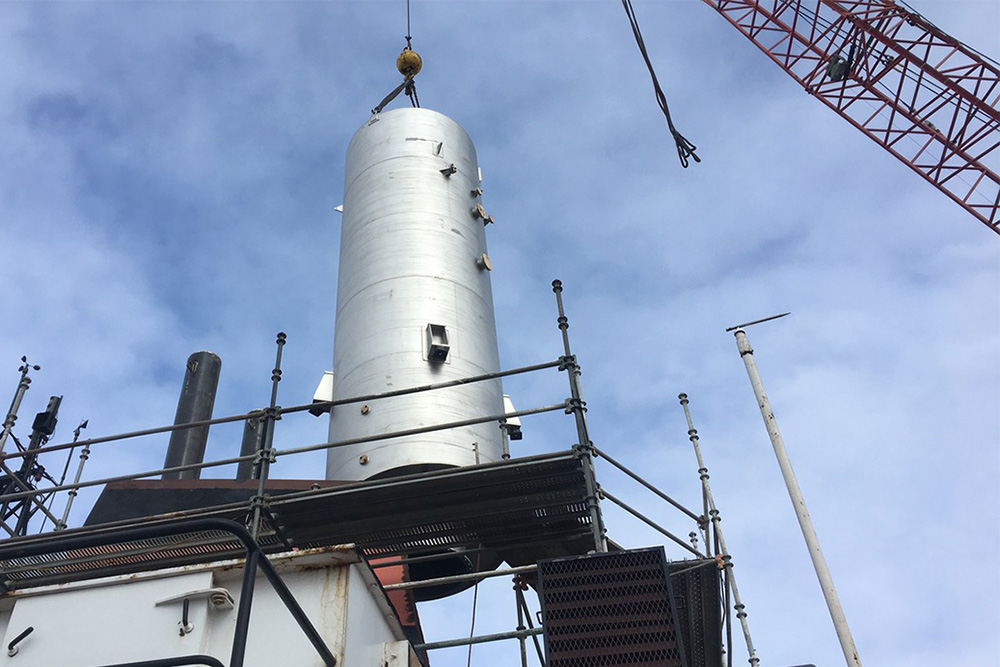
Nox Scrubber
For this project, JDI partnered with a repeat chemical manufacturing client to install a Nitrous Oxide (NOx) scrubber. The work required reconfiguring an existing area to accommodate a new production process, building on our experience with complex system integration.
We install stainless steel piping to connect the pumps to the scrubber suction line. These connections provide a rigid, leak-free, and corrosion-resistant connection between industrial pumps and scrubber suction lines. This piping also removes liquid and solid contaminants from the gas stream.
Within a three-month window, JDI’s mechanical, rigging, and electrical teams install the NOx Scrubber in the facility’s 4-story structure.
For a more in-depth look at this project, read here.
This project helps our client meet environmental regulations by removing harmful nitrogen oxides from industrial exhaust before it enters the air.
Wastewater Plant
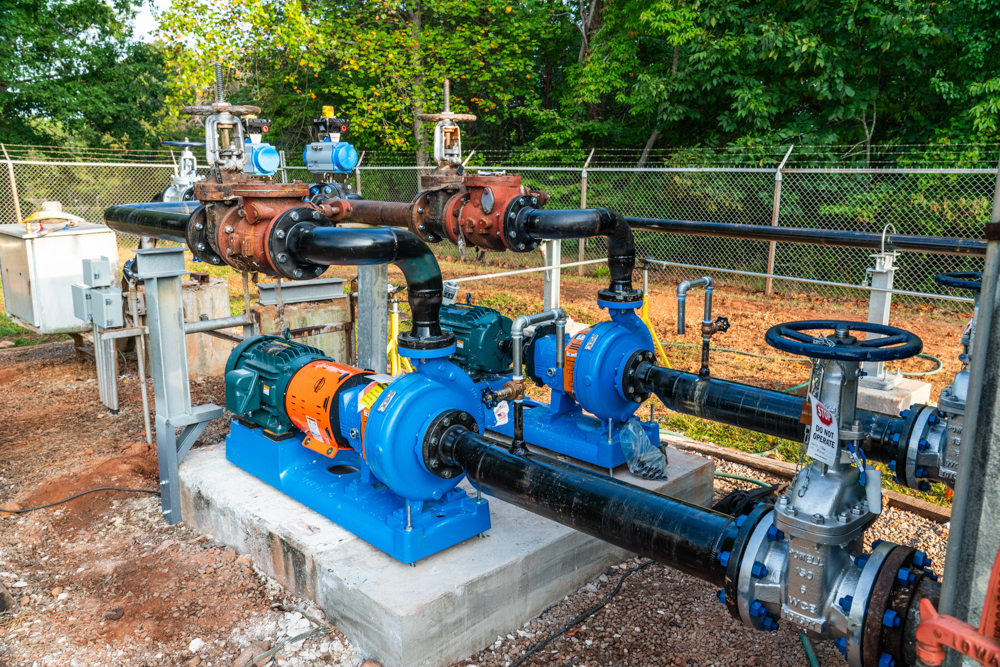
At our client’s wastewater facility, JDI upgraded an aging process piping and pump system. To keep the plant running, we structured the work in three phases around the facility’s production schedule to minimize disruption.
One of the biggest challenges was the original system configuration: the pH probe was positioned downstream of the flowmeter, which compromised measurement accuracy and process control.
To solve these operational issues, we repositioned the pH probe upstream of the flowmeter, significantly improving measurement accuracy and process control. We also added a diversion line for enhanced flow management and upgraded the pumps to higher-efficiency, more reliable models.
For a more in-depth look at this project, read here.
In addition, our team replaced over 1,000 feet of carbon piping—an upgrade that increased overall system reliability and helped ensure consistent, trouble-free performance for the wastewater facility.

Bearings Manufacturer Chilled Water Process Line
Our client partners with JDI to improve cooling reliability by installing a new carbon steel chilled-water process line.
In their automotive parts manufacturing facility, their furnace produces intense heat, creating an ongoing challenge. A cooling system is essential to control temperatures inside the building.
To maintain optimal temperatures and support uninterrupted production, we installed 4-inch carbon piping. Additionally, we add a bypass section to make future maintenance more efficient and less disruptive.
During installation, our team expertly welded several hundred feet of piping using the GTAW process and connected each valve precisely.
For a more in-depth look at this project, read here.
We fully restored the system to operation without impacting facility uptime. This project helps our client keep their plant cool and demonstrates our dedication to anticipating client needs.
Conclusion
Reliable process piping is more than a network of pipes; it’s the lifeline of many industrial facilities.
Success depends on careful design and strict adherence to ASME B31.3 standards.
Process piping demands vary from one facility to the next; a biogas conversion project may require integrating new piping with existing infrastructure. Meanwhile, a wastewater upgrade may require improved flow control, and a chilled-water installation may need to accommodate ongoing maintenance.
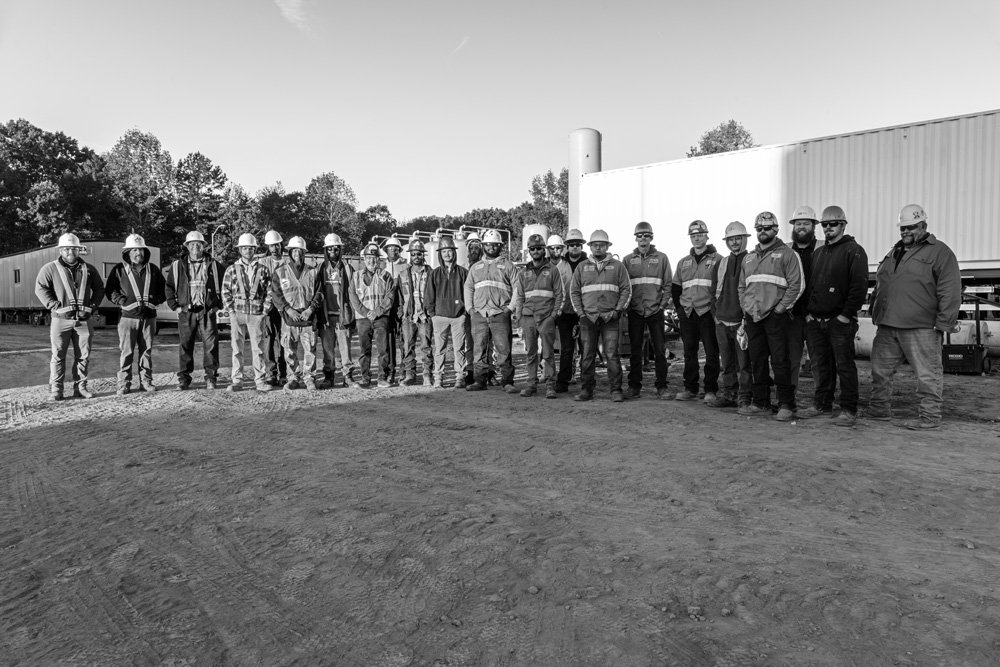
Above all, project success depends on sound technical decisions, careful coordination, and partnering with process piping experts. This is a team that demonstrates both technical expertise and an unwavering commitment to service, safety, and quality.
JDI Industrial Services can provide both new installations and complex system upgrades, completing every project with skill and meticulous care.
Are you planning a process piping project soon?
Contact JDI Industrial Services today to discuss your facility’s needs.