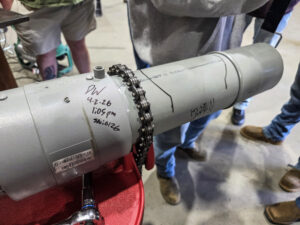
MCC is an assembly of one of more enclosed sections having a common power bus and primarily containing motor control units. These units can include motor starters, variable frequency drives (VFD), programmable logic controllers (PLC), and other control devices.
Most electrical equipment manufacturers provide life and performance expectancies with their equipment in the form of operation and maintenance manuals. Ultimately, though, you must follow a motor control center process for a successful installation, which is exactly what JDI will explain further below.
Electrical Codes for MCCs
Life expectancy is based on the premise that equipment has been professionally installed, is maintained per the manufacturer’s guidelines/recommendations, and is being used per the manufacturer’s designed intent. This premise is also noted in NFPA 70, National Electrical Code (NEC) Sec. 90.1(B):
“This Code contains provisions that are considered (the minimum installation requirements) necessary for safety.
Compliance therewith and proper maintenance (manufacturers having precedence even over the code) result in an installation that is essentially free from hazard.
Regulations for Installation
Federal laws mandate the installation, safe operation, and maintenance of electrical systems such as motor control centers. OSHA 1926, Safety and Health Regulations for Construction, Subpart K – Electrical, addresses everything from approval of the installed equipment through maintenance and inspection of the equipment.
Specifically, OSHA 1926.403 general requirements addresses suitability, examination, mechanical strength, electrical insulation, heating and arcing effects, system classification, and system installation.
Whenever you need an MCC Installation, JDI can make it happen with our understanding. We will replace, upgrade, and perform annual maintenance on your Motor Control Center. This allows your production needs to stay on track. By now you’re probably curious: just how does JDI Industrial Services manage an MCC Installation?

How JDI Handles MCC Installations
Journeymen Electricians are integral to MCC installations through their expertise in electrical systems. They begin by interpreting and implementing electrical drawings and schematics provided by engineers or manufacturers, which detail the layout and wiring configurations essential for the motor control center process.
Electricians then proceed to physically install and connect power cables, control wiring, and communication lines according to these specifications. This ensures proper termination and adherence to safety standards throughout. They connect various components such as circuit breakers, motor starters, and relays within the motor control center.
This also involves getting the correct wire sizing and terminal connections to guarantee operational integrity.
During installation, electricians conduct rigorous testing, including continuity and insulation resistance tests, to verify the functionality and safety of the MCC’s electrical components.
Additional Scope Duties
The electrical contractors’ role extends beyond installation to encompass documentation of as-built drawings, wiring diagrams, and commissioning reports.
These events are crucial for maintenance and future reference. Collaboration with engineers and other trades is also pivotal, ensuring seamless integration of the MCC within broader construction or upgrade projects.
In essence, electricians play a pivotal role in every aspect of MCC installation, ensuring these critical control centers operate reliably and safely in industrial and commercial settings. That is why JDI takes training and documentation so seriously; recorded past successes and failures tell us what works best.
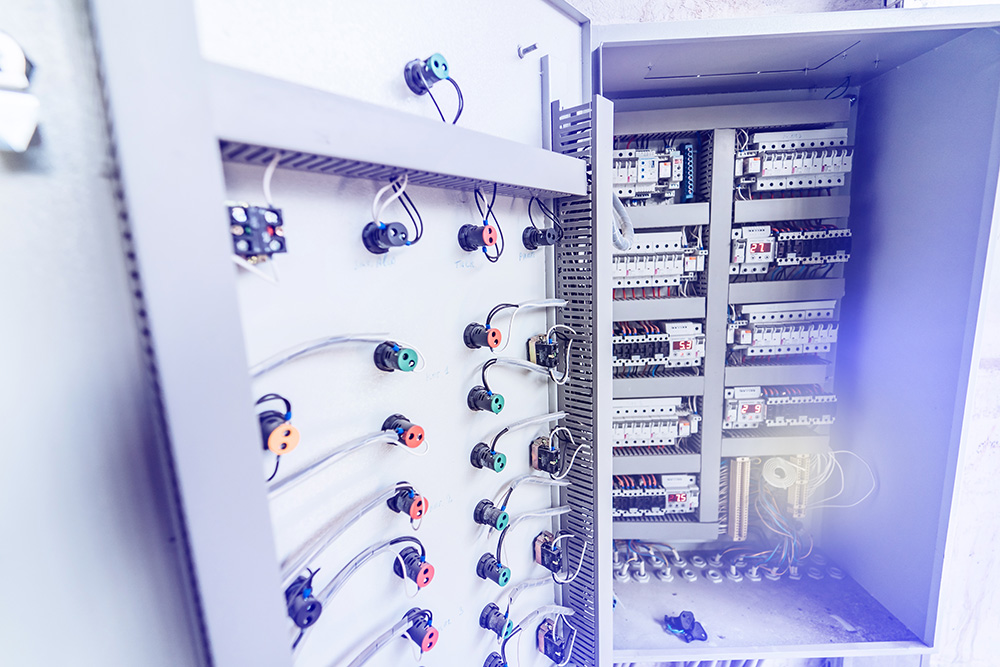
Managing the Process
Managing the process of MCC installation involves several key steps to ensure efficiency, safety, and compliance with manufacturer’s specifications.
The process involves project planning, preparation, execution, testing, commissioning, documentation, handover, and post-installation review. Here is the structured approach JDI uses to manage the installation process.
Project Planning and Preparation
This step is critical for ensuring that the project meets operation needs, safety standards, and regulatory requirements. By thoroughly defining the scope and requirements at the outset of an MCC installation project, JDI establishes a solid foundation for successful execution.
This approach helps ensure that the final MCC system meets operational needs, complies with safety and regulatory standards, and aligns with overall project objectives.
Site Preparation
This phase is crucial in the installation of a Motor Control Center and involves several detailed considerations to ensure the installation proceeds smoothly and safely. By addressing pre-installation checks, space, and access thoroughly during a site preparation, project managers and installation teams can mitigate risks, ensure compliance with regulatory requirements, and create a conductive environment for the successful installation of the MCC system.
This proactive approach helps optimize project timelines, minimize disruptions, and enhance overall safety and efficiency.
Installation Execution
Installation execution of Motor Control Center involves detailed planning, coordination, and meticulous execution to ensure the system operates efficiently and safely. By focusing on assembly and positioning, electrical wiring, and integration with power supply during the installation execution phase, JDI can ensure a smooth and successful deployment of the MCC system, achieving operational efficiency, compliance with standards, and a safe working environment.
A very important part of the installation to consider when installing MCC’s is to make sure that there is adequate space. Schneider’s MCC instruction recommendation is that an electrician needs to create a minimum of 3 ft. of free space in front of board construction; an additional 3 ft. is necessary in the rear of back-to-back construction.
This free space provides adequate room to remove and install units while limiting injuries.

Testing and Commissioning
Testing and commissioning are critical phases in the installation of MCC to ensure that the system operates reliably, safely, and efficiently. It’s obligatory to follow a structured approach like functional testing, safety testing, and performance verification.
JDI can ensure that the MCC system meets performance expectations, complies with safety and regulatory standards, and operates effectively over its operation life cycle.
Regular communication and collaboration among stakeholders are essential to address any challenges promptly and achieve a successful commissioning process.
Documentation and Handover
Documentation and handover are aspects of competing a MCC installation effectively. Proper documentation ensures that all relevant information about the MCC system is recorded and accessible for future reference, maintenance, and troubleshooting. By emphasizing through documentation and a structured handover process, JDI can enhance operational efficiency, facilitate effective Maintenance practices, and support continuous improvement of the MCC system throughout its lifecycle.
Effective communication and collaboration with maintenance managers, engineers, and/or project managers is essential for ensuring a successful handover and long-term satisfaction with the MCC system.
Post–Installation Review
The post-installation review is a critical phase in the MCC installation project against predefined objectives, including schedule adherence, budget compliance and achievement of performance targets.
By conducting a thorough post-installation review, project teams can foster continuous improvement, enhance operational efficiency, and ensure long-term success and satisfaction with the motor control center process. Communicating throughout the review process maximizes the benefits of lessons learned and drives positive outcomes for future projects.
As you can see, effective communication and collaboration throughout the project is crucial. Regular progress meetings and updates help ensure that the installation stays on track and meets project objectives.
Additionally, adhering to safety protocols and regulatory requirements is paramount to ensure the safety of personnel and the reliability of the MCC system.
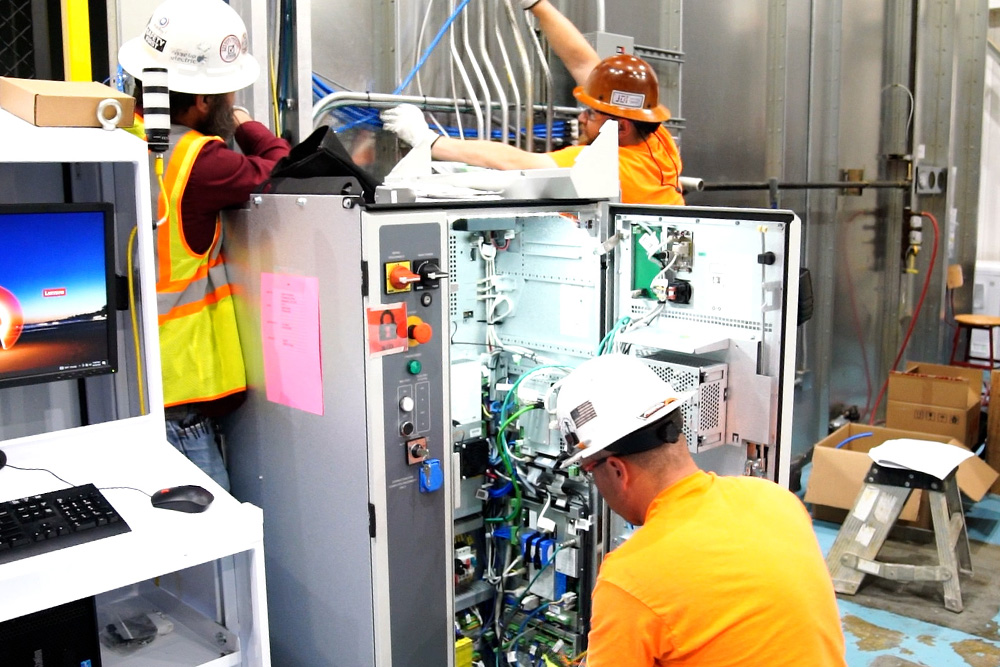
Clear Safety Expectations
When undertaking an MCC installation, it’s crucial to prioritize several key considerations to ensure a smooth and successful project. Firstly, meticulous attention to materials is essential. Using high-quality Motor Control Centers, busbars, circuit breakers, and wiring materials that comply with industry standards not only ensures reliability, but also reduces the risk of operational issues and future maintenance costs.
Safety aspects must be rigorously observed throughout the installation process, including proper grounding, adherence to lockout/tagout procedures, and the use of appropriate personal protective equipment.
This safeguards against electrical hazards and promotes a secure working environment for personnel. Additionally, closely monitoring costs is vital to staying within budget constraints. Accurate estimation of material quantities, labor hours, and potential additional expenses such as specialized tools or equipment rentals helps prevent budget overruns. By maintaining a focus on these areas—materials, safety, and cost—electricians can effectively manage the complexities of MCC installation, ensuring both operational efficiency and safety compliance are achieved.
What makes an electrician capable?
An electrician must possess expertise in interpreting electrical schematics, wiring diagrams, and technical specifications, which are fundamental for tasks like installing MCCs and integrating complex control systems. Electricians must be adept at safely handling electrical components, ensuring proper grounding, and adhering to stringent safety protocols during installations to mitigate risks and ensure compliance with electrical codes.
Their proficiency extends to troubleshooting electrical issues, conducting thorough testing, and documenting installations, which are crucial for maintaining system reliability and facilitating future maintenance. Moreover, they must collaborate effectively with engineers, project managers, and other trades to coordinate installations within broader construction projects.
This ensures seamless integration and optimal functionality of electrical systems. Overall, their technical competence, attention to detail, and commitment to safety make electricians indispensable for executing critical electrical services.
What if your contractor is not certified?
It is crucial for manufacturers to be aware of several key aspects when hiring an electrical contractor, particularly concerning certifications and qualifications. A primary concern is whether the contractor holds proper licensing and certifications mandated by local and national regulations.
Electrical work performed by uncertified contractors may not meet safety standards. This leads to potential electrical hazards, equipment malfunctions, or even fires, all of which pose significant risks to manufacturing operations and personnel safety.
Furthermore, manufacturers should ensure that the electrical contractor has experience and expertise specific to industrial settings and machinery. Understanding the complexities of manufacturing environments is essential for safe and effective service.
Improper installation or maintenance by unqualified contractors can lead to costly downtime, production delays, and compromised product quality.
Additionally, manufacturers should verify that the electrical contractor adheres to industry best practices and uses high-quality materials and components. Cutting corners on materials or workmanship can result in premature failures, increased maintenance costs, and disruptions to production.
It’s also prudent to check if the contractor has a track record of completing projects on time and within budget, demonstrating reliability and professionalism in their work.

Conclusion: Get the Right Contractor
Lastly, communication and transparency are crucial. Manufacturers should ensure that the electrical contractor provides clear documentation, such as detailed project plans, wiring diagrams, and compliance certificates. This documentation not only ensures regulatory compliance but also facilitates future maintenance and troubleshooting efforts.
By hiring JDI Industrial, you get a certified, licensed, and experienced electrical contractor who understands the specific needs and challenges of manufacturing environments. Knowing the motor control center process is just one way you can mitigate risks, ensure operational continuity, and maintain a safe and efficient production facility.
To find out how we can help you with your project, contact us today.