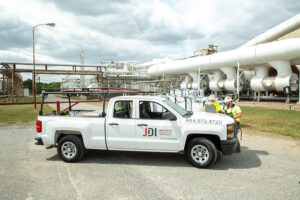
What is a millwright you might ask? It’s a term that originally arose from the late 1500s, and to a younger generation it might be as unknown as an actual mill. Back then, millwrights played a vital role to building the machinery and processes that made production mills run.
Then, millwrights worked with steam, horses, ropes, and more to pull the machines into place, begin start-ups, and create an environment to produce cotton, oils, coal, and much more.
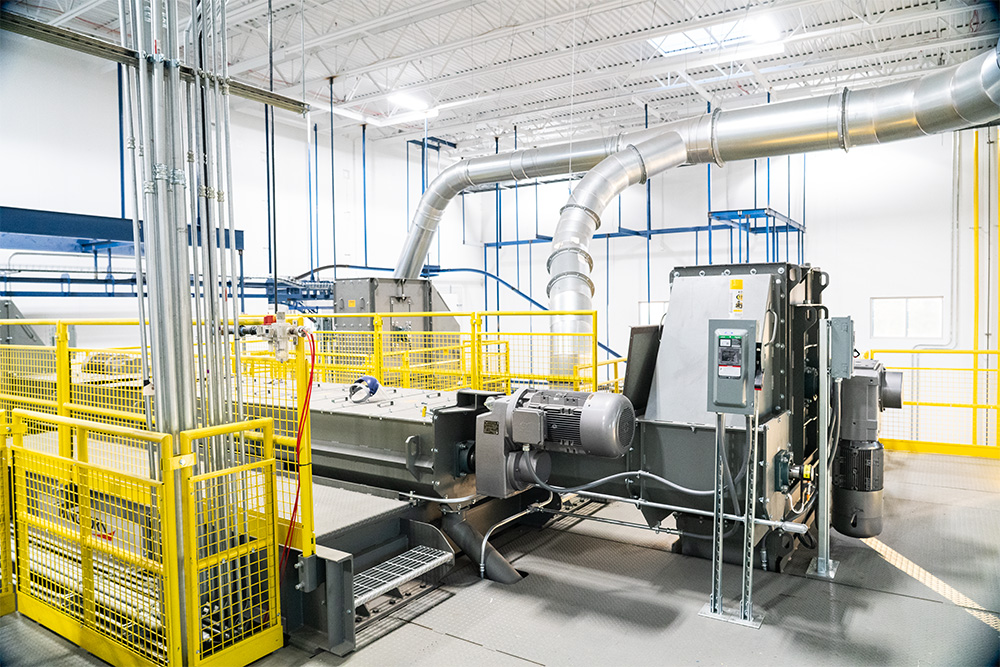
Today, millwrights still spend their days working hands-on with heavy machinery in industrial plants and factories. They assemble, align, and install equipment by bolting or welding parts to foundations, and use precision tools to ensure each machine runs within strict tolerances.
We at JDI for example believe that a millwrights’ purpose is to be working behind the scenes to keep the equipment running, that keeps the industry moving.
A typical shift involves reading blueprints and schematics, moving components with hoists or cranes, and fine-tuning gears, belts or turbines so production can resume.
Throughout the day, millwrights wear safety gear as they move among noisy plant floors and platforms to perform these critical tasks.
Work Environment and Expectations
Most millwrights work full-time in manufacturing or industrial facilities. They often handle 40+ hour weeks, but may also be on call for maintenance shutdowns or unexpected breakdowns. Shifts can include evenings or weekends, and overtime is common when plants schedule maintenance or upgrades.
The job is physically demanding: carrying and placing heavy parts (often 50+ lbs, and much more with hoists) and climbing ladders or working on platforms is routine.
Undoubtedly, workers must pass through safety checkpoints (lockout/tagout procedures, confined-space rules, etc.) and always wear personal protective equipment.
Training centers in the region stress OSHA and site-specific safety. Charlotte UBC lists OSHA-10 and OSHA-30 courses, fall protection, hazard communication, and other safety qualifications as required for millwrights.
Millwrights also work closely with engineers and other trades; strong communication and teamwork are expected to coordinate jobs and ensure safe, accurate work.
-
-
Factory/Plant setting: Mostly manufacturing or power-generation facilities; many hours on your feet and in industrial conditions.
-
Physically Demanding: Regular heavy lifting and precise positioning of machinery; stair/climbing work is common.
-
Shift Work: Standard days plus on-call night/weekend shifts during outages; overtime is common.
-
Safety: Hard hats, glasses, gloves, boots and other PPE are mandatory; training includes OSHA cards (10‑hour & 30‑hour) and site safety briefings.
-
-
Team Environment: Coordinating with other trades (pipefitters, electricians, etc.) to follow blueprints, work orders, and strict safety procedures.

Core Skills and Responsibilities
Successful millwrights combine mechanical aptitude with precision and troubleshooting skills. Key competencies include:
-
Blueprint Reading: Interpreting layout plans and mechanical drawings is essential to know where to install or repair machinery.
- Installation: Leveling and aligning equipment to exact specifications (often using lasers, levels, and micrometers) is a daily task.
- Welding and Fabrication: Many assemblies require welding, bolting, or rigging heavy parts into place, so welding and rigging skills are used frequently.
-
Precision Measurement: Millwrights use precise tools (calipers, gauges, dial indicators) to set clearance tolerances and ensure moving parts fit correctly.
-
Mathematics & Problem-Solving: Strong math skills (for calculating fits, torques, alignments) and quick thinking to diagnose mechanical problems keep production running.
- Attention to Detail: Tiny errors can cause big breakdowns; millwrights must be meticulous with every bolt and bearing to prevent machinery failure.
-
Communication: Explaining issues and coordinating with supervisors or team members is vital. A UBC report notes millwrights’ communication skills and teamwork are crucial as they collaborate on complex maintenance projects.
Millwrights routinely assemble machines (welding or bolting components to foundations) and dismantle them for repair. They adjust tension on bolts, shim parts to specified clearances, and test run equipment to verify smooth operation. In short, they combine the hands‑on skills of a mechanic with the precision of an engineer on the factory floor.
Training, Apprenticeships, and Certifications
Most millwrights enter the field through a formal apprenticeship. These paid programs mix job training with classroom instruction. JDI Industrial Services travels to training centers for classrooms covering topics from machinery alignment to welding and print reading.
Many employers like us need to follow NCCER’s four-level Millwright curriculum, which meets U.S. Department of Labor apprenticeship standards. To join an apprenticeship, candidates typically need a high school diploma/GED, basic math aptitude, and physical fitness.
After (or during) apprenticeship, millwrights earn certifications to demonstrate their qualifications. Typical credentials include: NCCER Millwright certifications or journeyman credentials, and OSHA safety cards (10-hour and 30-hour).
Specialized qualifications—such as lockout/tagout, confined space entry, fall protection, and first aid/AED—are also common. Unions and employers often offer additional courses (e.g. mechanical print reading, pump/gas-turbine qualification, rigging certificates) to keep skills current. In summary: you’ll “earn while you learn” by progressing from apprentice to journeyman, picking up practical certifications along the way.

Career Outlook in the Southeast
Demand for millwrights in the Southeast is strong. The region’s booming manufacturing sectors – especially automotive, power generation, and aerospace – rely on skilled millwrights. For example, new expansions at Mercedes (SC) and BMW (GA) show heavy industry growth.
Nationally, the outlook is excellent: industrial machinery mechanics and millwrights are projected to grow ~15% from 2023 to 2033. That growth reflects ongoing upgrades and maintenance of plants, plus replacement of retiring workers.
In the Southeast, continued investments in energy infrastructure, automotive plants, and advanced manufacturing suggest steady millwright job openings. In short, a skilled millwright can find plenty of work within new factories and power stations across the region.
Salary Range and Advancement
Wages for millwrights vary by experience, location, and industry. Nationwide, the median pay (2024) for industrial machinery mechanics and millwrights is about $63,510 per year. In the Southeast, pay is roughly comparable to the national level.
For instance, North Carolina millwrights earn on average about $59,000 annually. The lowest 10% earn around $39,000 and the top 10% near $70,000. Entry-level workers in the region often start in the mid-$40K range, while experienced journeymen (with overtime) can exceed the mid-$70Ks.
Many job postings in the Carolinas and adjacent states advertise $25–30 per hour for entry-level millwrights, into the $35–40+ range with experience. Benefits (health, retirement, etc.) often come with union or contractor positions.
Overall, career progression (master/multi-craft millwright roles) and specialty skills (e.g. turbine overhaul) can boost earnings significantly beyond entry pay.
JDI effectively provides millwrights in Greenville, Laurens, Anderson, and Oconee County in South Carolina. We also serve Northeast Georgia and work mostly in Hart and Hall County.
If you’re looking for a career in the millwright role, visit JDI’s career page and fill out an application, today!