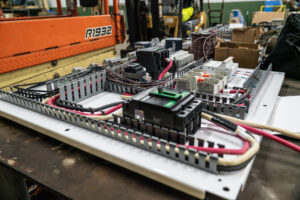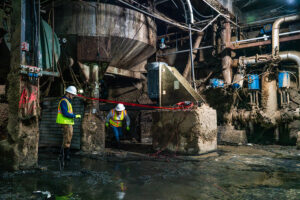
For the industrial environment, mechanical construction is the coordinated installation, integration, and full commissioning of process equipment and production systems. This field of construction exists so that manufacturers and industrial plants can meet capacity, reliability, safety, and manufacturing requirements.
Unlike commercial construction, tolerances are tighter, uptime is critical, and systems must function as a single production unit.
Explore mechanical construction and the steps to success with JDI Industrial Services, and see how we can benefit you, below.
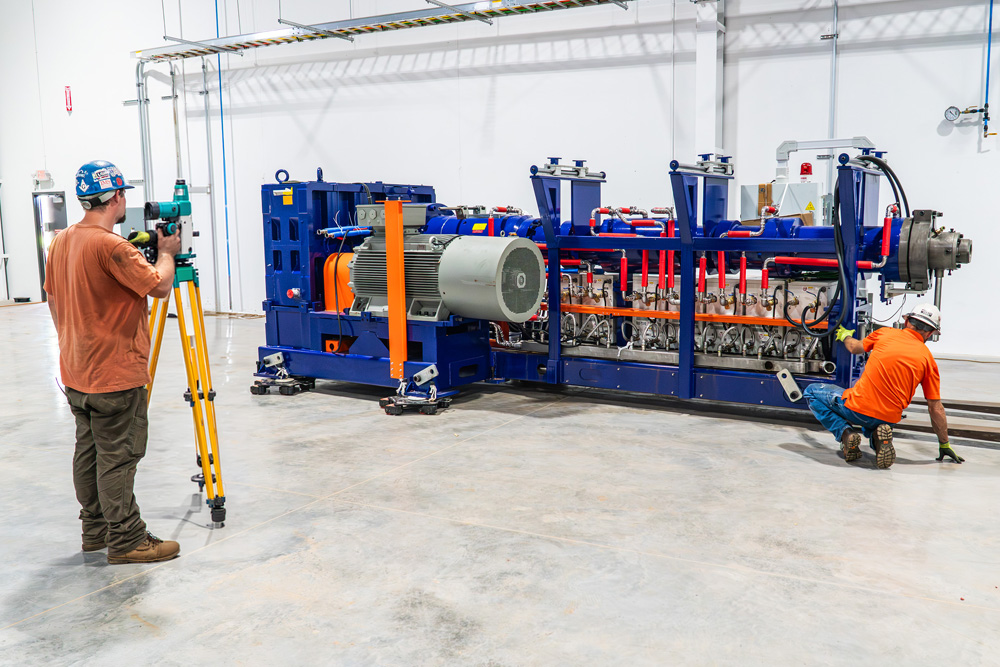 Millwrights: precision installation & mechanical integrity
Firstly, JDI’s millwrights are responsible for mechanical accuracy and reliability of motion and static equipment. This trade group has to perform rigging, alignment, and logistic coordination to set facilities up for success.
Core responsibilities
- Setting, leveling, and grouting equipment (pumps, compressors, gearboxes, conveyors, presses)
- Precision alignment (laser alignment of shafts, pulley tracking)
- Bearing installation and lubrication systems
- Rigging and setting heavy machinery (Trained Crane Operators; NCCER and NCCCO schooling and certifications)
- Mechanical inspection and adjustment during commissioning
What best performance looks like
- Equipment installs within OEM tolerances from day one (Metrics are the Prevailing Numbers)
- Minimal vibration, heat generation, and premature wear
- Smooth mechanical transfer to operations
Turn-key best practices
- Millwright involvement during design reviews to ensure best locations
- Foundation and anchor bolt proofs before equipment arrival
- Alignment checks repeated after piping hookup (to account for strain)
- Participation in cold and hot commissioning
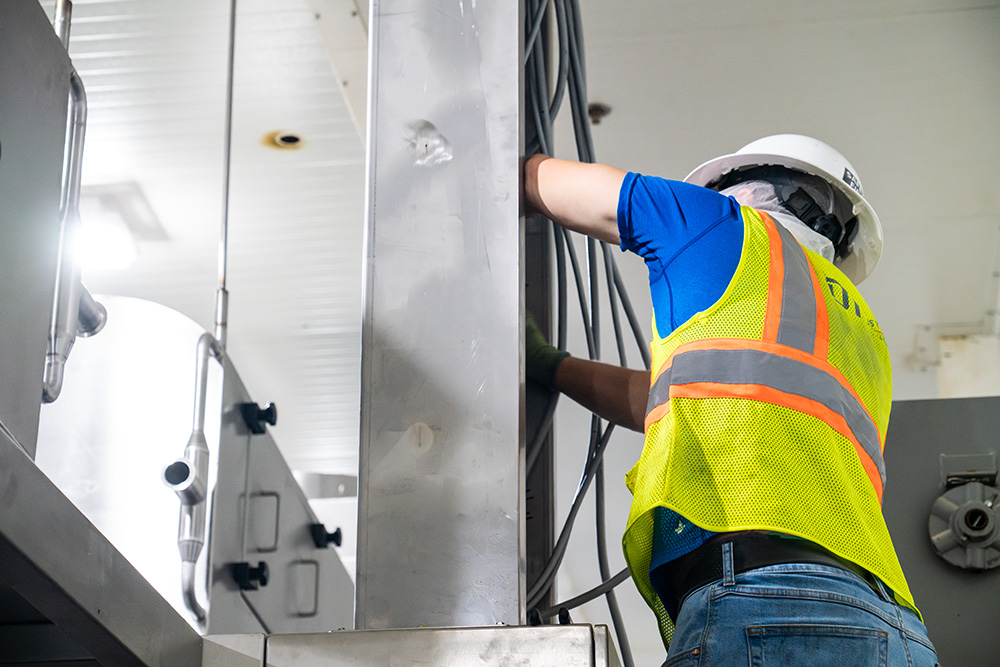 Electrical: power, control, and safety
Our industrial electricians at JDI ensure electrical and control systems support safe, reliable machine operation.
Core responsibilities
- Power distribution (MCCs, VFDs, transformers, switchgear)
- Motor installation, termination, and rotation checks
- Instrumentation wiring (sensors, encoders, safety devices)
- PLC I/O checkout and interlock verification
- Grounding and arc-flash compliance
What best performance looks like
- Motors and drives matched correctly to mechanical loads
- Clean signal integrity with minimal electrical noise
- Safe startup with no trips or control faults
Turn-key best practices
- Early coordination with millwrights on motor alignment and baseplates
- Standardized cable tagging and panel layouts
- Loop checks performed subsystem-by-subsystem
- Joint mechanical–electrical startup procedures
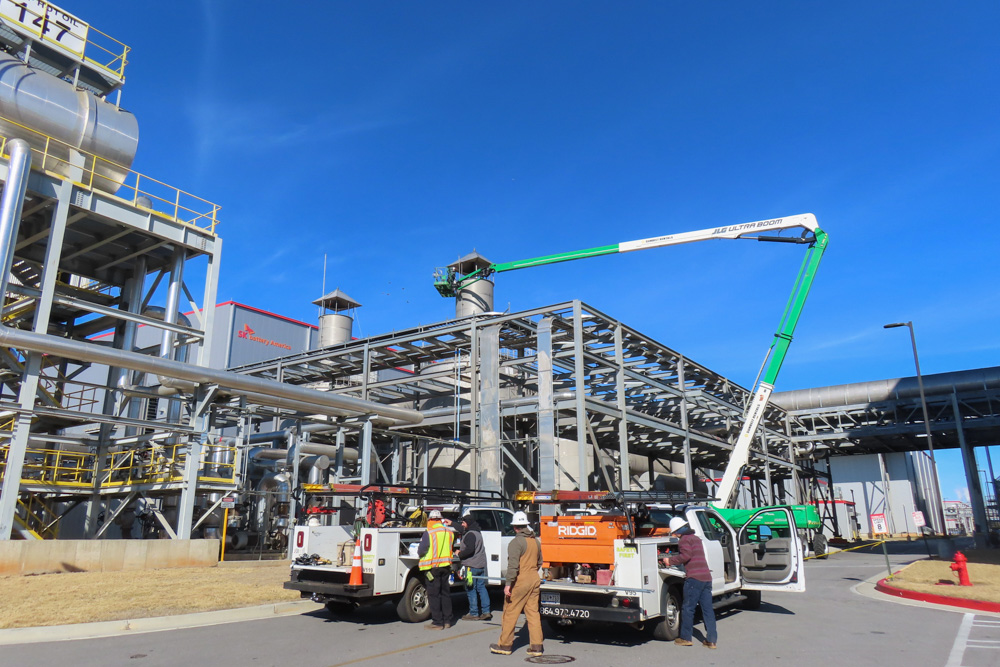 Mechanical: system integration & delivery
The JDI mechanical contracting team owns overall mechanical scope execution and acts as the integration hub between trades. Because of this nexus, they are often the main point of contact.
Core responsibilities
- Piping systems (process, hydraulic, pneumatic, steam)
- Equipment installation sequencing
- Welding, pressure testing, and flushing
- Interface coordination with civil, electrical, and mechanical controls
- QA/QC evidence and turnover packages
What best performance looks like
- Zero rework due to clashes or sequencing errors
- Piping installed stress-free and aligned with equipment
- Mechanical systems ready for commissioning on schedule
Turn-key best practices
- Modularized skids and pre-fabricated pipe spools
- Early piping stress and accessibility reviews; likewise, x-rays and tests before and after welding
- Inspection & Test Plan-driven quality control at every stage
- Continuous as-built documentation
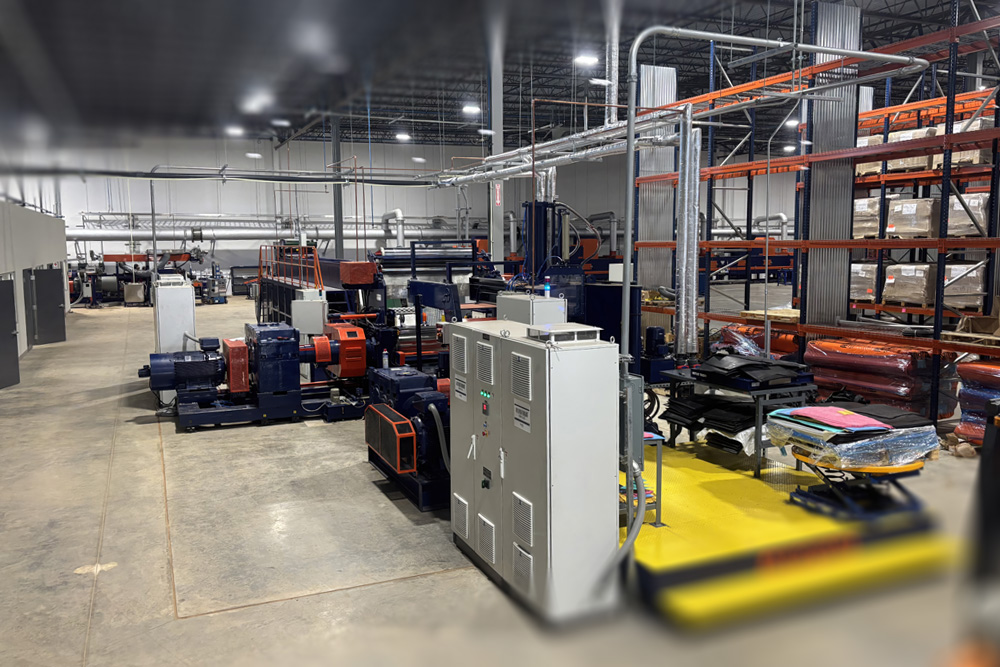
How a turn-key contractor integrates all three roles
Engineering with field input
- Millwrights validate equipment clearances and service access
- Electricians review cable routing and panel locations
- Mechanical contractors optimize pipe routing and supports
Result: Fewer field changes and faster installation.
Coordinated installation sequencing
Typical improved sequence:
- Foundations and embeds proven
- Major equipment set by millwrights
- Motors installed and aligned
- Piping installed without inducing strain
- Final layout and torque checks
- Electrical terminations and loop checks
Result: Alignment stability and electrical reliability.
Structured pre-commissioning and commissioning
- Mechanical completion sign-offs by system
- Electricians perform insulation, continuity, and rotation checks
- Millwrights verify alignment, mobility, and vibration
- Integrated startup with controls and operations
Result: Controlled startup with minimal downtime risk.
Key success factors in industrial turn-key projects
- Early trade involvement (not just at install)
- Clear ownership of interfaces between mechanical and electrical
- Strict compliance to OEM installation standards
- Commissioning planned from project kickoff
- Strong safety culture across all trades
In practical terms
Essentially, a successful turn-key industrial project is one where:
- The millwright ensures machines operate well and stay in place.
- The industrial electrician ensures machines start, stop, and protect safely.
- The mechanical contractor ensures everything fits, flows, and functions together.
- The client receives a production-ready plant, not just installed equipment.
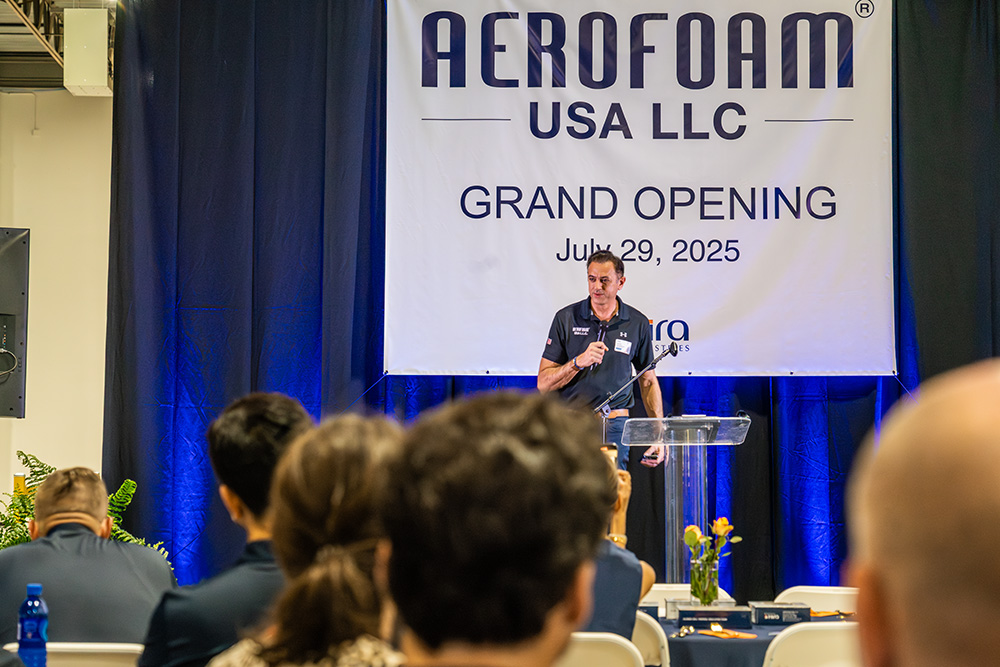
Without a doubt, JDI Industrial Services can and will deliver a project that fits our abilities, reaching a common goal of success. For instance, clients like Aerofoam USA, Greif, and Kubota have successful partnerships with JDI, and are operational.
Contact us today to see what we can do for you.[/vc_column_text][/vc_column][/vc_row]