When it comes to taking on an industrial project, understanding the differences between Greenfield vs. Brownfield Plants is just as important as focusing on hiring the right MEP expert. Whether it’s a full-commissioning contracting company, or even just a general contractor, you need to know what you’re getting into and with whom.
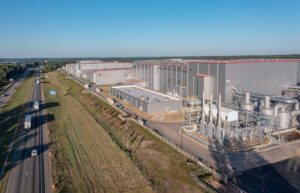
Last year, Tesla’s (TSLA) greenfield investment in its Shanghai Gigafactory, which went from groundbreaking to vehicle production in just 168 days, demonstrates the potential speed of new construction, especially when host countries are eager for the jobs and productive capacities these projects provide.
But it also could show the perils of not building from already open channels—Tesla has, at times, cut production at the plant given sluggish sales, among other issues.
Read on to find out more about greenfield and brownfield projects, the major differences between the two, and how your contracting scope could be affected.
Greenfield vs. Brownfield Plants (Mapped by Trade)
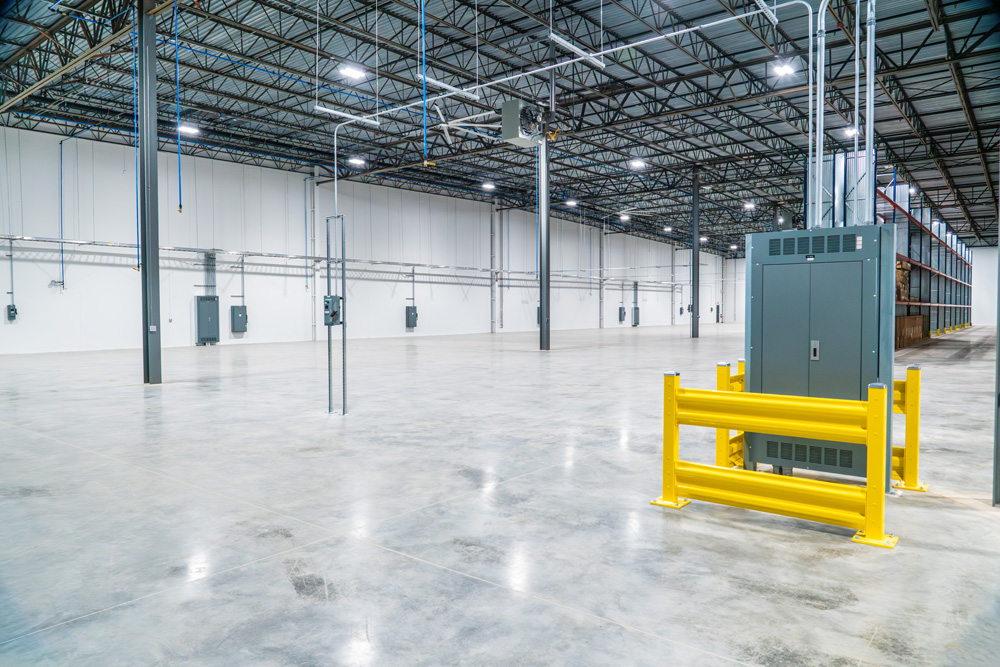
Greenfield developments are all over the Upstate area of South Carolina, and Northeast, Georgia. The recent years have seen millions invested in developing new tilt-up and pre-cast buildings that can house new operations. JDI Industrial Services has been a part of quite a few of these facilities.
Full commissioning is a must, as is understanding how to network with utilities, manufacturing reps, and multi-disciplined tradesmen. These facilities, while new and clean, represent specific challenges and advantages for each trade an engineer, manager, or procurement personnel will need for a project.
Brownfield plants, while older and in need of rework, are also abundant in the area. Currently, South Carolina has 765 brownfield sites, and Georgia has over 400. The Georgia Mountains Regional Commission (GMRC), which covers a significant portion of Northeast Georgia, is actively working to identify, inventory, and remediate brownfield properties in its member communities.
Let’s explore further with each type of plants’ characteristics, and what each trade will face within their sites.
 Greenfield Plant
Characteristics
-
No existing equipment or infrastructure
-
Maximum layout flexibility
-
Higher upfront coordination, lower interface constraints
Implications by trade
-
Equipment foundations, embeds, and elevations are new → high reliance on civil accuracy
-
Easier alignment and layout optimization
-
OEM-recommended clearances usually achievable
-
Clean power architecture (new substations, MCCs, networks)
-
Logical cable routing and grounding from first principles
-
Easier compliance with modern electrical codes and safety systems
-
Full control of piping routes, supports, and modularization
-
Better opportunities for skid-mounted systems and preassembly
-
Sequencing is predictable and linear
Turn-key success focus
-
Early constructability reviews
-
Modularization to compress schedule
-
Commissioning strategy defined during FEED
 Brownfield Plant
Characteristics
-
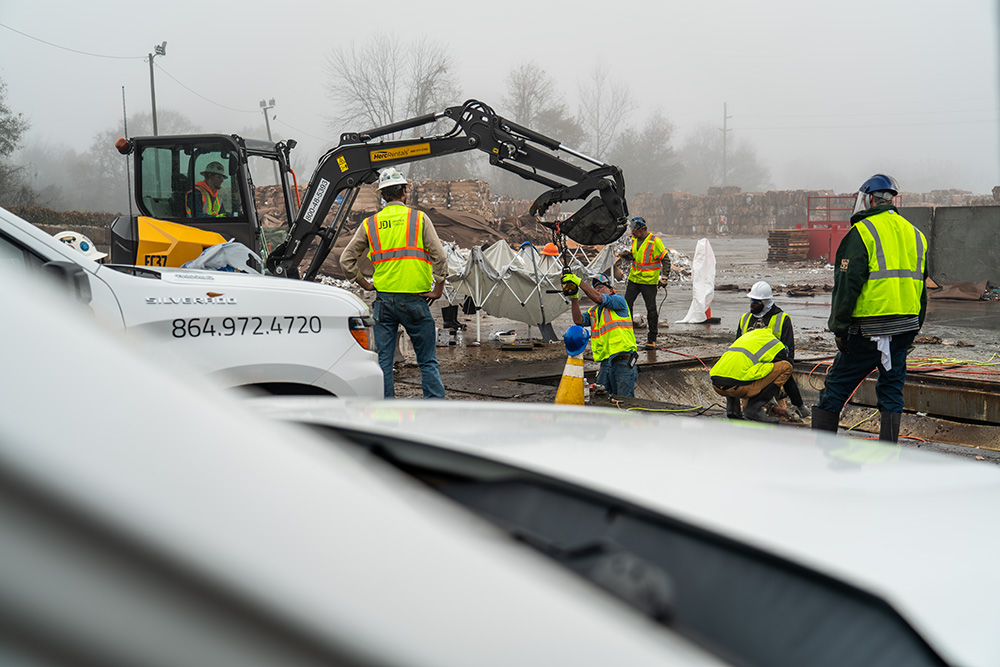
Live production environment
-
Legacy equipment, utilities, and documentation
-
Tight outage windows and safety constraints
Implications by trade
Millwright
-
Equipment installed adjacent to or replacing existing machinery
-
Alignment affected by old foundations and floor settlement
-
Increased need for field modification and shimming
Industrial Electrician
-
Integration with existing MCCs, PLCs, and safety circuits
-
Risk of undocumented wiring and overloaded panels
-
Shutdown work must be tightly scheduled
Mechanical Contractor
-
Piping tie-ins to live systems
-
Limited access for rigging and welding
-
Higher rework risk due to clashes and unknowns
Turn-key success focus
-
Detailed site surveys and laser scanning
-
Phased commissioning aligned with outages
-
Strong change management and contingency planning
Commissioning Checklist by Trade (Industrial Focus)
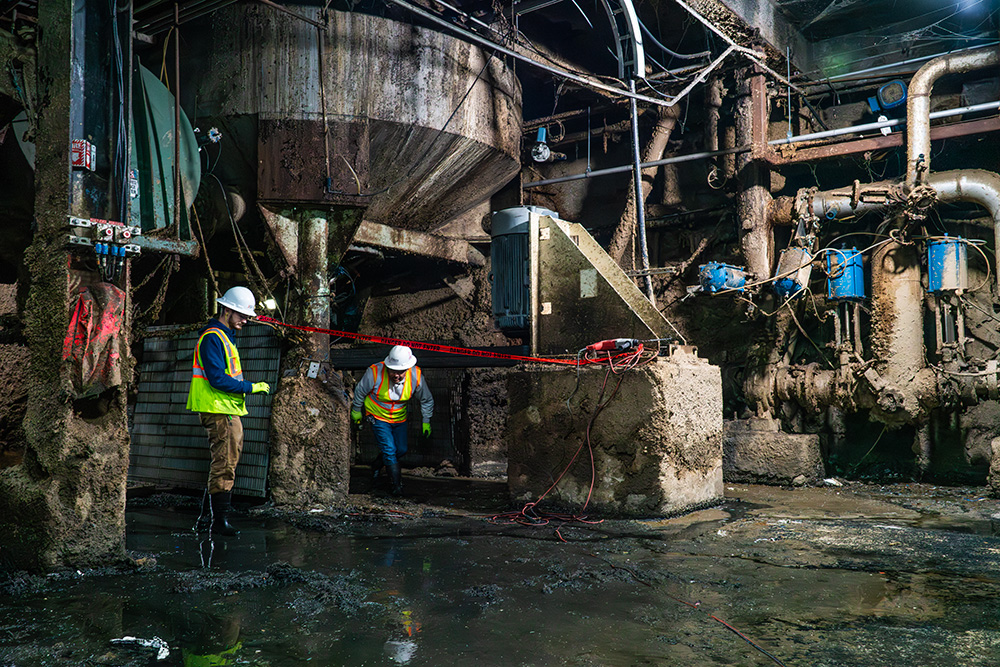 Millwright Commissioning Checklist
Pre-commissioning
-
Foundations cured, grout strength verified
-
Equipment level, flatness, and soft-foot checked
-
Anchor bolts torqued to specification
-
Shaft, belt, or coupling alignment verified (pre-piping)
Mechanical readiness
-
Bearings installed correctly and lubricated
-
Guards installed and secure
-
Gearboxes filled with correct oil grade
-
Manual rotation check completed
Startup support
-
Hot alignment after thermal growth
-
Vibration baseline recorded
-
Noise and temperature monitored
-
Final torque check after run-in
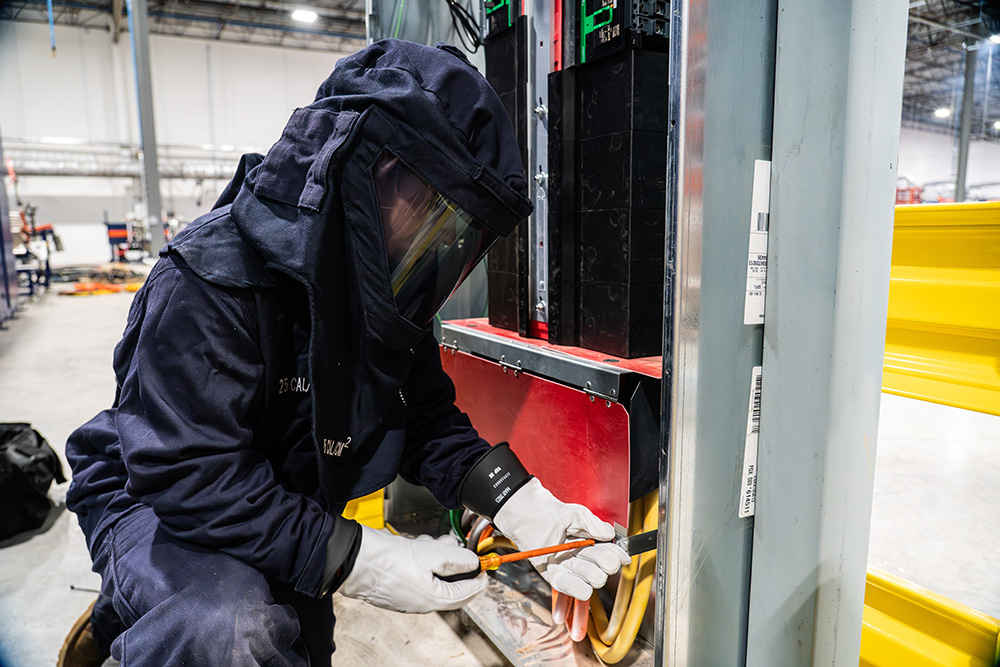 Industrial Electrician Commissioning Checklist
Pre-energization
-
Insulation resistance (megger) tests complete
-
Grounding and bonding verified
-
Motor nameplate vs VFD/MCC configuration checked
-
Panel labeling and arc-flash signage installed
Controls & power
-
I/O point-to-point checks
-
Motor rotation bump tests
-
Safety circuit validation (E-stops, interlocks, light curtains)
-
Network communication verified
Startup support
-
Monitor current draw and harmonics
-
Verify drive tuning and ramp rates
-
Confirm alarms and fault responses
-
Assist with control optimization
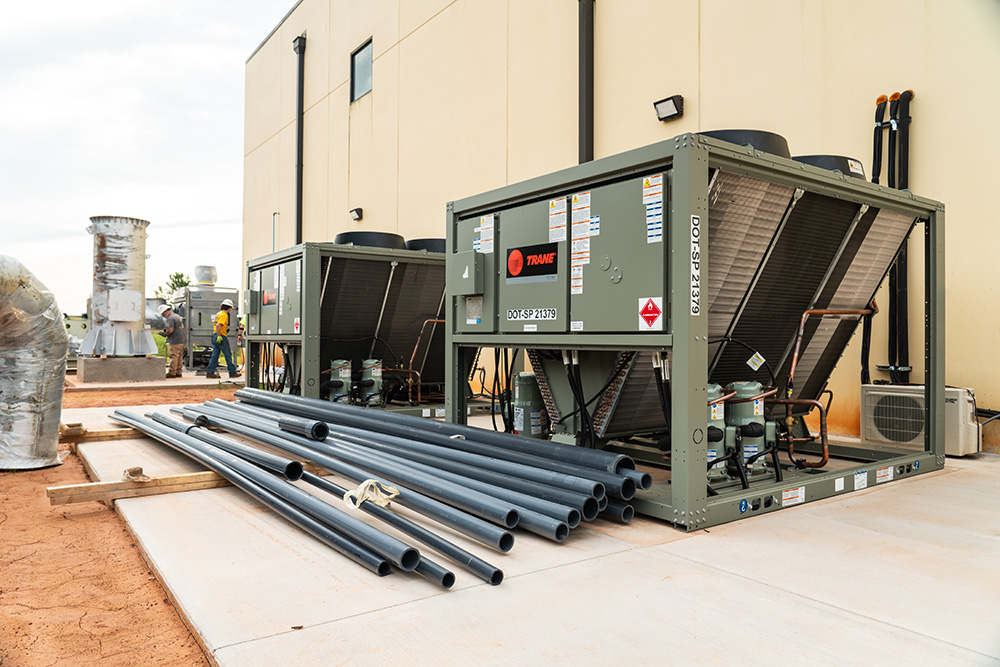 Industrial Mechanical Contractor Commissioning Checklist
System completion
-
Piping installed stress-free and supported
-
Welds inspected and documented
-
Pressure testing and flushing completed
-
Valves stroked and tagged
Interface verification
-
Equipment nozzles aligned without forcing
-
Expansion joints correctly installed
-
Insulation applied where required
-
As-built drawings updated
Commissioning readiness
-
Mechanical Completion Certificates (MCCs) signed
-
Punch list cleared or accepted
-
Turnover dossiers prepared by system
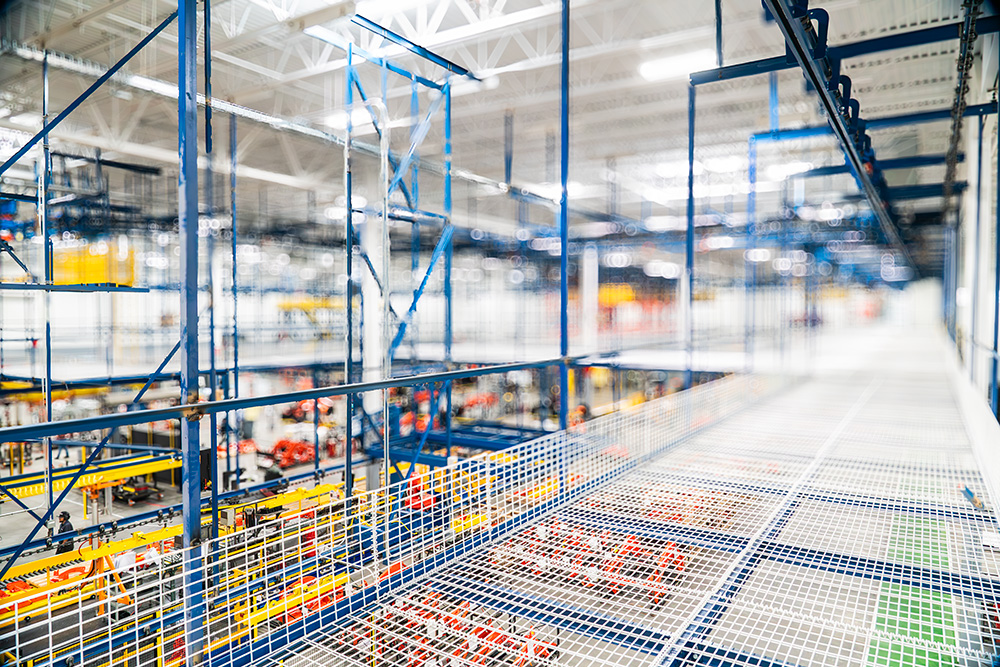 Realistic Installation–Commissioning Workflow for a Production Line
Below is a typical, proven sequence for an industrial production line whether greenfield or brownfield in nature (e.g., conveyor-based manufacturing or process line).
Phase 1: Foundations & Pre-installation
-
Civil completes foundations and embeds
-
Survey confirms elevations and datum lines
-
Mechanical contractor verifies anchor bolt locations
-
Electricians install underground conduits and grounding
Gate: Foundations accepted for equipment installation
Phase 2: Major Equipment Installation
-
Millwrights rig and set primary machines
-
Equipment leveled and preliminarily aligned
-
Baseplates grouted and cured
-
Motors mounted but not final-aligned
Gate: Equipment mechanically set
Phase 3: Mechanical Integration
-
Piping installed without inducing strain
-
Conveyors, guards, and auxiliaries installed
-
Temporary supports removed after final fixing
-
Millwrights perform final alignment
Gate: Mechanical completion by subsystem
Phase 4: Electrical & Controls Installation
-
Electricians pull and terminate power and control cables
-
Instruments installed and wired
-
PLC panels energized (no loads)
-
I/O checkout and loop testing performed
Gate: Ready for dry commissioning
Phase 5: Pre-commissioning (Dry)
-
Motors bumped and rotation verified
-
Systems run unloaded (air, water, no product)
-
Safety systems validated
-
Interlocks and permissives tested
Gate: Ready for live commissioning
Phase 6: Commissioning (Wet / Live)
-
Systems energized under load
-
Process material introduced gradually
-
Millwrights monitor vibration and alignment
-
Electricians tune drives and controls
Gate: Performance targets achieved
Phase 7: Handover & Ramp-up
-
Operator training conducted
-
Spare parts and maintenance plans delivered
-
Performance testing witnessed by client
-
Final acceptance and warranty start
 Bottom Line
-
Greenfield projects succeed through planning, modularization, and clean integration.
-
Brownfield projects succeed through site knowledge, sequencing discipline, and outage control.
-
Commissioning is not an event—it is a planned process owned jointly by millwrights, electricians, and mechanical contractors.
-
A strong turn-key contractor aligns all trades toward one outcome: a stable, production-ready operation on day one.
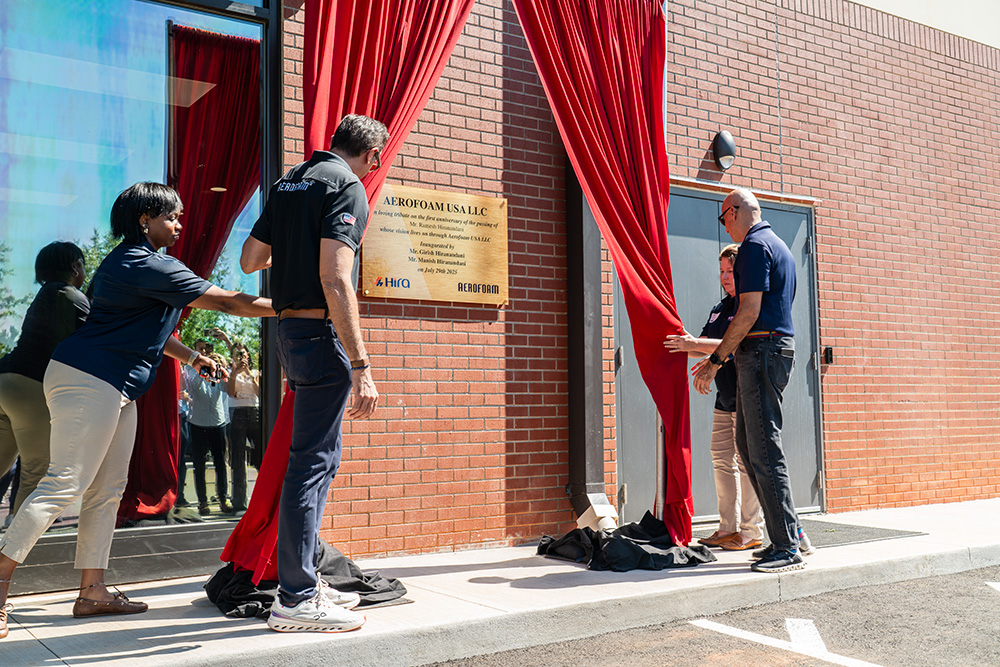
Without a doubt, JDI Industrial Services can and will deliver a project that fits our abilities, reaching a common goal of success. For instance, clients like Aerofoam USA and Kubota have successful partnerships with JDI, and are operationally easier to setup. They represent a greenfield type of plant.
Conversely, facilities such as Greif Taylors and US Waffle in Liberty, SC were once brownfield sites that needed extensive redevelopment. Now, they are fully-functional sites. While both still require some rework and upgrades, they are setup to modern standards and are thriving because they have a lower investment price at their facilities.
Contact us today to see what we can do for you. Greenfield vs. Brownfield Plants? As you can see, we can understand either scope of work, exactly.